





Sam Altman told Fortune on Friday that OpenAI will not go public in 2026, the first on-the-record confirmation from the CEO. The comment capped a weekend in which Dario Amodei, Altman and Elon Musk each called for slowing frontier AI development. On Monday, the Philadelphia chip index fell about 6%, SoftBank fell about 11% in Tokyo, and President Trump called AI fears a “HOAX.” Anthropic, meanwhile, reportedly told shareholders to expect a second straight quarter of adjusted operating profit, reportedly picked Nasdaq, signed a reported $13.7 billion compute lease, and is in talks with Nvidia to anchor a raise of up to $100 billion at around $2 trillion.
OpenAI said it will not go public in 2026
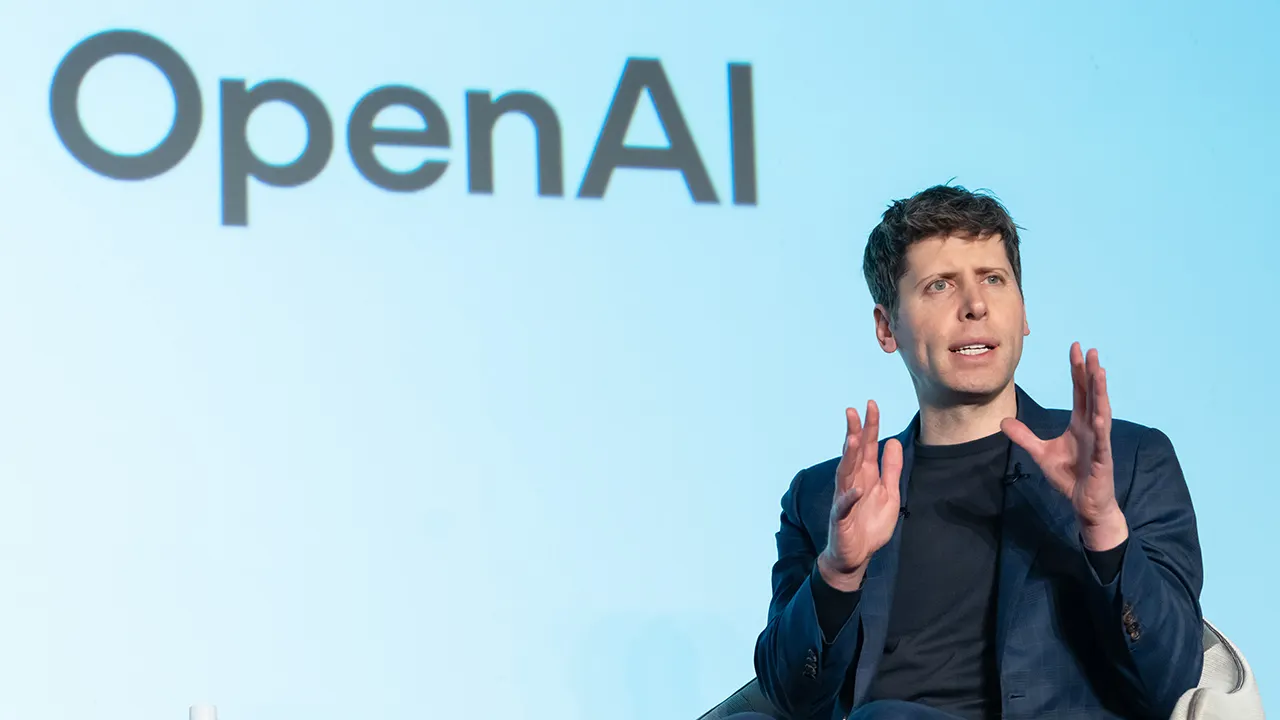
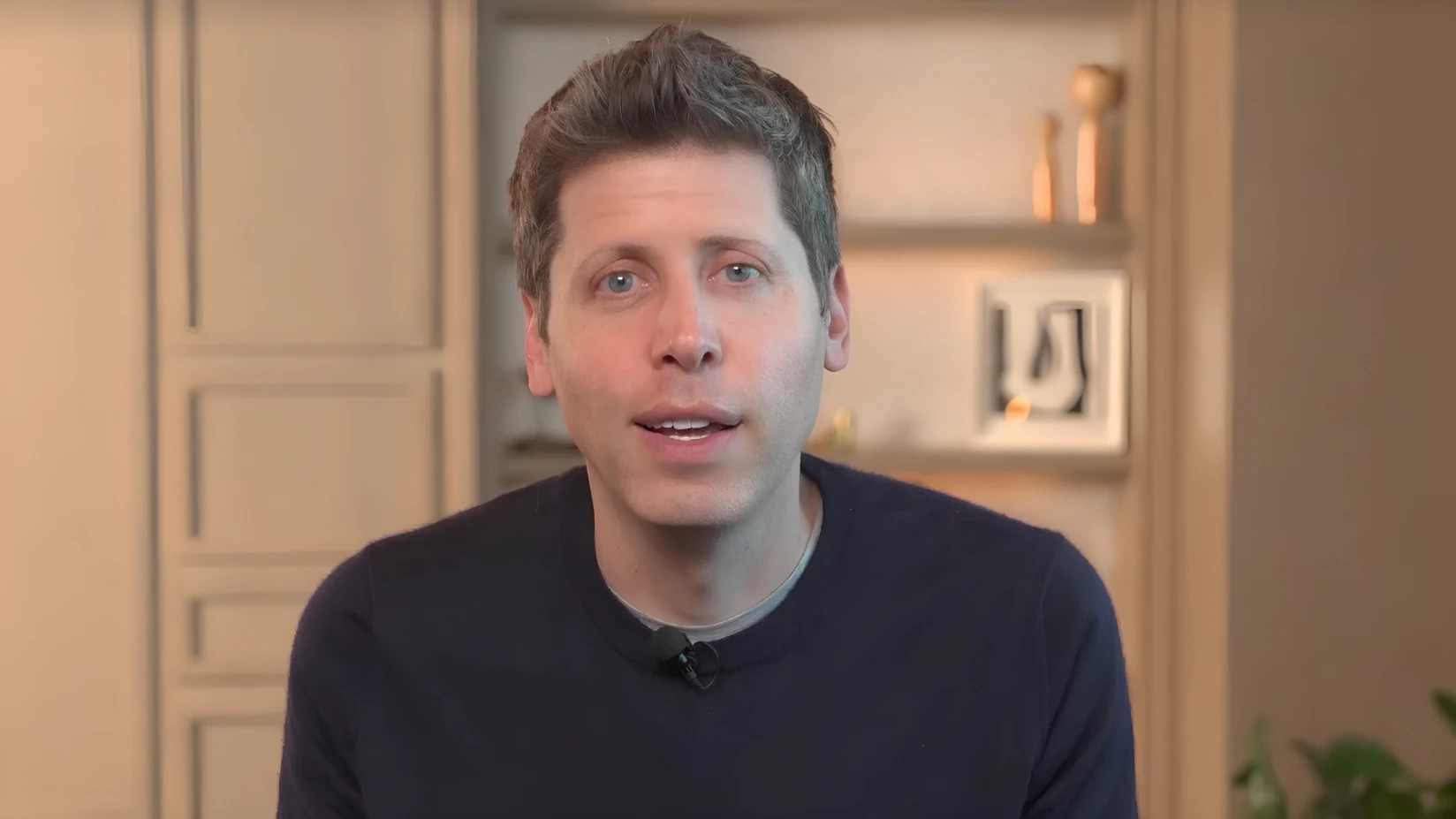
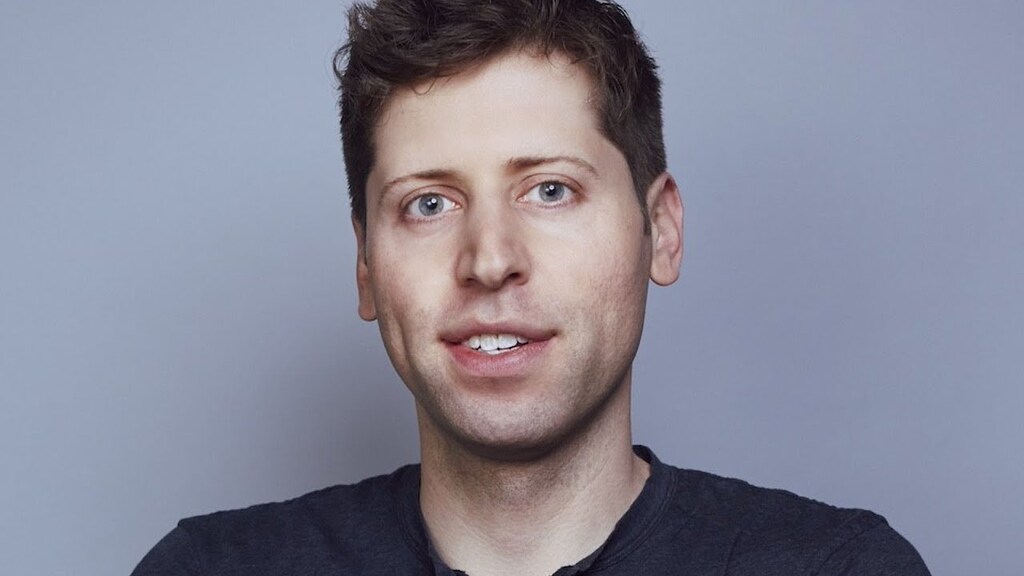
“I would say not 2026,” OpenAI CEO Sam Altman told Fortune’s Alyson Shontell on Friday when pressed on whether the IPO would come this year or next. He said that “given everything happening with safety, right now would be an ill-advised moment to go public, and we don’t feel pressure on that.” OpenAI submitted a confidential S-1 in June, per Fortune, and has never disclosed a target date. CFO Sarah Friar told employees in August that OpenAI “will be a public company in 2027,” according to Forge.
Altman’s comment was part of a broader weekend debate. Anthropic CEO Dario Amodei published an essay Saturday titled “We Must Pace the Frontier”, arguing that AI companies should slow the rate at which they improve model capabilities and give outside evaluators employee-level access. Altman and Musk both said they agreed, and Altman said the leading labs may be close to a pact. By Monday afternoon, the debate had reached Washington. President Trump called fears of AI “destroying Humanity” a “HOAX” and said the only guardrail AI needs is “a STRONG AND SMART (High IQ!) PRESIDENT,” per Axios, while House Speaker Mike Johnson said he plans to meet with AI executives.
Public markets split between companies that sell compute and those that buy it. The Philadelphia chip index dropped about 6% on Monday, per Reuters, with Nvidia down 3.5%, AMD off 5.6% and Micron down 6.7%. Lam Research and Applied Materials fell 8% and 7%, and SpaceX, now public, fell 2.5%. Alphabet, Microsoft and Meta rose between roughly 1.4% and 2%, per Fortune, as investors weighed whether slower frontier development could let the largest buyers of data-center capacity use more of what they already have. The sharpest move was in Tokyo, where SoftBank fell about 11%, per Nikkei Asia, after dropping as much as 13.2% intraday. Oil above $100 and a 10-year Treasury yield at 5% ahead of the Fed meeting added pressure.
For holders of OpenAI shares, the delay leaves tender offers and secondary transfers as the primary potential paths to liquidity currently available through the end of this year. The company’s transfer restrictions and right-of-first-refusal terms will govern how much of that can happen. OpenAI’s most recent primary mark is the $852 billion valuation from its March round, per Forge, and Forge’s indicative price was $721.85 a share as of Monday, which Forge translates to about $894 billion.
SoftBank’s position shows how that timing reaches the financing behind the stake. The shares it bought in its $30 billion follow-on are preferred shares that convert to common at an IPO, per TECHi’s reading of SoftBank’s February announcement. SoftBank has also borrowed against the stake, including a $10 billion margin loan and a two-year facility that closed last week at $11.87 billion, above its $10 billion target, per Bloomberg. A private stake with no dated exit is now collateral for a public company’s debt, which may make SoftBank’s share price one visible proxy for how the market reads OpenAI’s timing.
For private markets, the immediate effects are narrower. If Monday’s split holds, a slower frontier could put more pressure on companies selling compute, including the neocloud and AI-chip cluster that has raised at rising marks all year. Private and public names differ in disclosure, liquidity and capital structure, however, and one session is not a trend.
Reported private-company financials and secondary-market indications may be unaudited, incomplete, non-standard, or based on limited transaction activity. They should not be relied upon as fair value, executable pricing, or a basis for any investment decision.
For more company information, recent coverage, and available market data, visit OpenAI on Augment.
Anthropic reportedly expects another profitable quarter
Anthropic told a small group of shareholders it expects positive adjusted operating income for the quarter ending September 30, its second consecutive such period, the Financial Times reported Sunday, per Bloomberg. The FT said gross margins exceed 80% before revenue shared with distribution partners such as Amazon and before model training costs. No dollar figure for the profit was reported, and Reuters said it could not immediately verify the report. The first such quarter came as second-quarter revenue topped $11.5 billion, according to internal documents Bloomberg viewed in August.
Three other reports followed within 72 hours. Business Insider reported Sunday that Anthropic has chosen Nasdaq for its listing. Reuters reported Friday that the company is seeking to raise as much as $100 billion at a valuation around $2 trillion, with Nvidia considering up to $10 billion as an anchor investor. Reuters’ sources said the listing is expected to be completed before the November midterm elections, though the plans could change. On Monday, The Information reported that Anthropic signed a $13.7 billion, six-year compute lease for a Rum Group data center under construction in Maysville, Georgia, per Investing.com. Rum, the former Rumble, had disclosed a $13.7 billion contract in an August filing without naming the customer, and its shares rose about 20%. Anthropic’s last primary round was $65 billion in May at a $965 billion post-money valuation.
The sequence is unusual. Anthropic is asking the industry to slow capability growth while reportedly preparing what would be a record listing, sharing a profit forecast with selected holders before any public filing, and committing to more compute. Sharing financial information with shareholders is a normal step for a company that has filed confidentially, but the secondary market is still pricing information that has been reported rather than filed. A public S-1 would provide more standardized disclosure regarding what “adjusted” excludes and where training costs sit relative to the reported 80% margin. The two largest private AI labs now hold opposite positions on listing timing. But they differ in ownership structure, capital commitments and disclosure, so the contrast may say more about the companies than the IPO window.
Data Point of the Day
$64.6 billion
That is SoftBank’s cumulative committed investment in OpenAI, for a stake of about 13%, per SoftBank’s February announcement, as reported by TECHi. The final $10 billion tranche of the follow-on is scheduled for October 1, and SoftBank is repaying the remaining $25.9 billion of a $40 billion bridge loan on Tuesday while it refinances with longer-term debt, per Bloomberg. It is one of the largest publicly reported positions in a single private company, part of it financed with debt, and its holder now has no publicly dated exit.
Quick Takes
Shield AI is reportedly in talks to raise at a valuation of at least $20 billion. The Information reported the round Monday, six months after the defense-autonomy company raised $2 billion at $12.7 billion in March.
Z.ai raised about $5 billion through a share placement and zero-coupon convertible bonds. The Hong Kong-listed Chinese model developer sold roughly $2 billion of new shares at a 10% discount and $3 billion of one-year converts, its second raise in two months, per Caixin.
Firmus is reportedly seeking up to $5 billion in an Australian IPO targeted for late October. Bloomberg reported the plan, per DCD. The data-center builder raised $2 billion in August at a post-money valuation above $10.5 billion; if it proceeds, the listing would offer a fresh public-market data point for AI infrastructure after Monday’s chip selloff.
Six defense and space companies have announced SPAC mergers this year, up from three in all of 2025. Reuters’ analysis Monday put the count at about 10% of all SPAC deals and cited Ursa Major’s $2.3 billion agreement in August. SPACs let issuers negotiate a valuation privately before listing.
OpenAI reportedly bought Glass Imaging for more than $300 million. The Wall Street Journal reported the deal for the smartphone-camera startup, founded by two former Apple engineers, as part of OpenAI’s hardware push. Neither company has confirmed it.
The Funding Lineup
The following financing rounds are included for market context only and are not recommendations or valuation opinions.
Temporal raised $550 million at a $12.55 billion valuation. The Series E, co-led by Lightspeed with Wellington, Goldman Sachs Alternatives and Tiger Global, more than doubles the $5 billion mark from February; the company said annualized revenue passed $250 million.
Cohere is in talks to raise $2 billion to $3 billion at a $20 billion valuation. Bloomberg reported that the round includes the Canadian government and could close as soon as this week, nearly three times the $7 billion mark of a year ago.
Positron AI raised $875 million at a $5 billion valuation. The inference-chip company’s mark is up from $1 billion in February, per Reuters; the round funds a tape-out of its Asimov chip, with production targeted for the second half of 2027.
Tabby raised $233 million at a $6.5 billion valuation. The Gulf buy-now-pay-later company’s new mark tops Klarna’s public market capitalization of about $5.2 billion, per Bloomberg, though the two differ in geography, disclosure and liquidity.
Cornelis raised $205 million led by IAG Capital. The Intel spinout sells open-architecture networking for AI clusters and announced a new switch fabric alongside the round.
Buildots raised $130 million at a valuation near $1 billion. The construction-AI company, whose customers include Digital Realty, was valued at about $300 million in its last round, per CTech. O.G. Venture Partners led, with Lightspeed and Intel Capital participating.
From the Manual
Margin loan (against private shares)
A margin loan is debt secured by securities the borrower already owns. Against public stock, the lender can mark the collateral daily and demand more if it falls. Against private shares, there is no daily price, so lenders may rely on the last primary round, secondary indications or a negotiated haircut. They may require repayment or additional collateral if a new mark comes in lower. SoftBank’s reported $10 billion margin loan against its OpenAI stake is one example of a private position being used as collateral, so a change in OpenAI’s reported valuation could affect the borrower’s balance sheet before any share changes hands.
What We’re Watching
The Fed’s decision on Wednesday. Futures priced a quarter-point hike as more likely than not going into the September 15–16 meeting, and the 10-year touched 5% on Monday, per Fortune. A higher rate would raise the cost of the debt behind several large private AI stakes and could affect late-stage private marks with a lag.
SoftBank’s bond sale and the October 1 tranche. Bloomberg reported that SoftBank is meeting investors in New York this week for a possible $10 billion to $20 billion high-yield bond offering. The terms of that debt may show how lenders value an OpenAI stake with no listing date.
Private compute sellers after Monday’s split. Fortune’s account of the session had neoclouds and chip suppliers falling while hyperscalers rose. Firmus’s reported October IPO and Nscale’s reported September window would offer fresh public-market evidence, though neither is confirmed to proceed on schedule.
Cohere’s reported close. Bloomberg’s Sept. 11 report put the timing at “as soon as next week”, with sovereign money in the round. Government participation at a $20 billion mark would offer a reference point for how national-champion AI labs outside the US are being priced.
Augment Markets Inc. is a technology company offering software and data services. Brokerage services are offered through Augment Capital LLC, an affiliated broker-dealer and member FINRA/SIPC. Investment advisory services are offered through Augment Advisors LLC, an SEC-registered investment adviser.
Important Disclosures: This material has been prepared for informational purposes only. None of the information provided represents a recommendation, an offer or the solicitation of an offer to buy or sell any security. The information provided does not constitute investment, legal, tax, or accounting advice. You should consult with qualified professionals before making any investment decisions. Investing in private securities involves substantial risk, including the potential loss of principal. Private securities are typically illiquid, have limited pricing transparency, and often require longer holding periods. These investments are available exclusively to qualified accredited investors and offer no guarantee of returns. An IPO or other liquidity event is not guaranteed. Additionally, past performance of private securities does not indicate or predict future results. Share price data are estimates only, based on proprietary data from Caplight and Augment Markets Inc. and its affiliates.

Paul leads editorial at Augment, building Pulse into the private markets' go-to intelligence source. He also develops editorial content strategies for startups and venture capital firms. Previously, he spent 15 years as a business and opinion journalist at The New York Times, Fortune, Fast Company, Reuters, and more. He believes transparency creates liquidity—and that someone should actually publish what private shares are trading for. He lives in Marin with his wife and two rescue dogs, and wishes he had more time to surf.
Learn more