





Microsoft and Meta are reportedly cutting internal use of Anthropic’s Claude, with Microsoft reportedly cut projected internal Claude spend by more than a third. The SEC proposed an exam that would let people qualify as accredited investors without meeting an income or net-worth test. Oura postponed its $2.1 billion IPO last Tuesday, and SpaceX closed at its highest level since June.
Microsoft and Meta are reportedly reducing employees’ internal use of Claude.
Anthropic is losing internal seats at two of its largest customers, according to a report from The Information on Monday. Microsoft had planned to spend at least $1 billion a year on Anthropic’s technology for its own staff and has cut that figure by more than a third, steering engineers toward GitHub Copilot CLI. Meta’s Claude Code users fell from about 60,000 to about 30,000 this year as employees moved to Meta’s own coding tools, MetaCode and Muse Code. Meta declined to comment.
A summary from AI Weekly adds that Meta’s spring layoffs, which affected about 10% of its workforce, also reduced the user count. It also notes that Microsoft’s $5 billion investment in Anthropic and Anthropic’s $30 billion Azure compute commitment are reportedly unchanged, and that customer spending through Azure and Amazon’s Bedrock continues to grow.
Last week, Reuters reported that Anthropic’s prospectus said nearly a quarter of its revenue came from two customers. The reports do not say who they are, and employee seats inside a customer are a different line from enterprise cloud contracts. The next reported revenue figure from Anthropic would show whether one offsets the other. Reuters has not said when the company’s listing might happen, and the timing remains unconfirmed.
Augment and/or its affiliates hold a position in Anthropic.
Reported private-company financials and secondary-market indications may be unaudited, incomplete, non-standard, or based on limited transaction activity. They should not be relied upon as fair value, executable pricing, or a basis for any investment decision.
For more company information, recent coverage, and available market data, visit Anthropic on Augment.
The SEC is seeking comment on a potential FINRA-developed exam that could provide another pathway to accredited-investor status
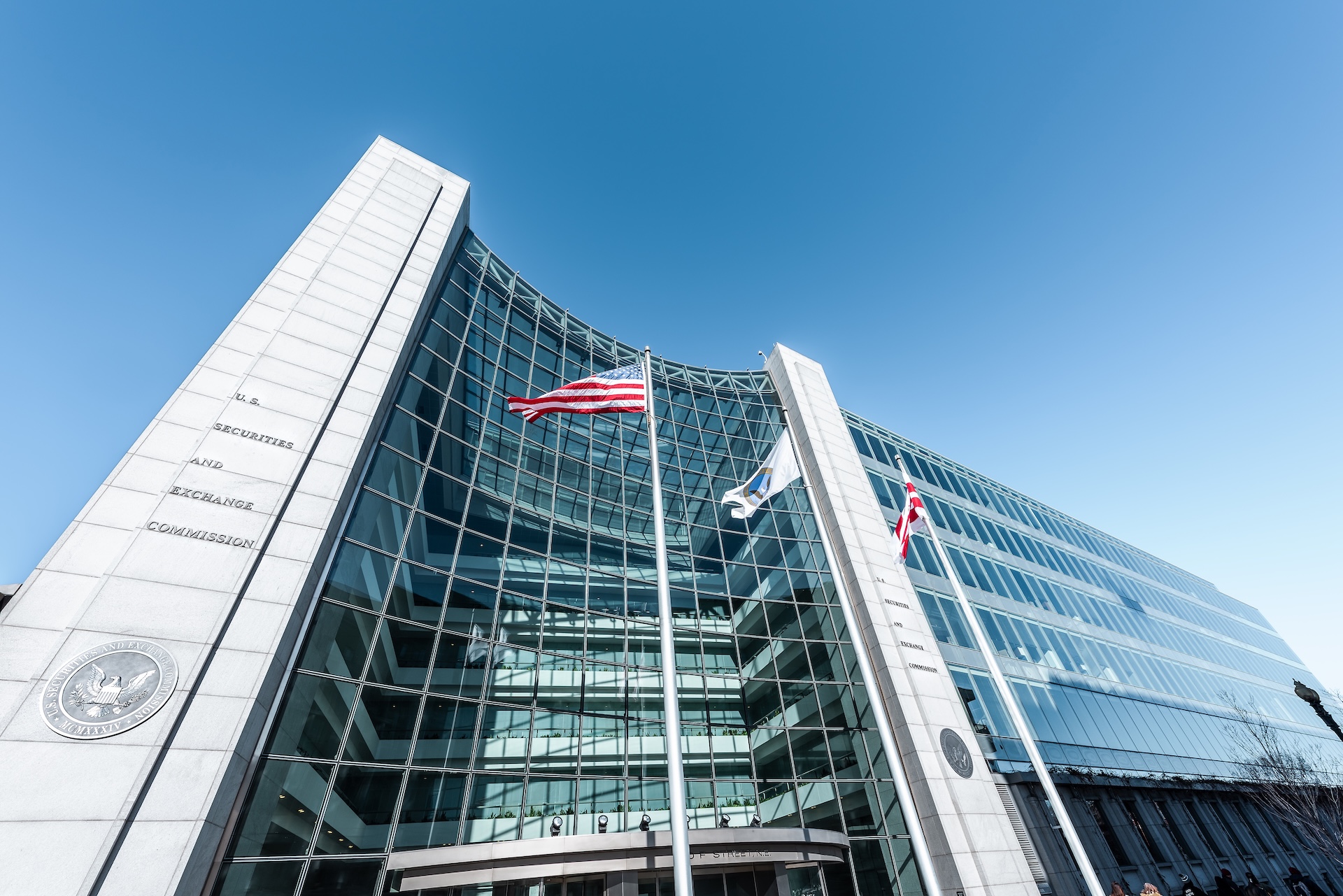
The SEC voted on September 30 to propose two rule changes and five notices aimed at widening retail access to private markets. Among them, the commission is seeking comment on letting people qualify as accredited investors by passing a FINRA-developed exam, or by holding a CPA, CFA or CFP credential or a Series 79, 86 or 87 license, according to the SEC’s announcement as published by Mondo Visione. Individuals currently may qualify through income, net worth, or certain professional credentials and other qualifying categories. Proskauer’s summary describes the contemplated exam as about 75 multiple-choice questions over two hours, open to anyone 18 or older, with accreditation lasting ten years. The other proposals would let registered advisers earn performance-based fees from regulated funds, give interval funds more flexibility in scheduling repurchases, and let closed-end funds issue multiple share classes without exemptive orders. Each action is open for comment for 60 days after publication in the Federal Register.
SEC Chairman Paul Atkins said that “investor demand for private market investment opportunities is growing” and that he wants to “explore ways to facilitate the ability of individual investors to participate in private markets.” These are proposals, not rules. The final form, and whether any of it is adopted, would depend on the comment process.
📈 Data Point of the Day
$3.26 billion
That is the combined size of the ten largest US startup rounds from September 26 to October 2, per Crunchbase News. Instinct’s $1 billion Series C, led by Sequoia, Benchmark and Coatue, accounts for about 31% of it. Crunchbase described the list as “pretty much all about AI.” The figure covers only the ten largest rounds, not total venture funding for the week.
Reported private-company financials and secondary-market indications may be unaudited, incomplete, non-standard, or based on limited transaction activity. They should not be relied upon as fair value, executable pricing, or a basis for any investment decision.
⚡ Quick Takes
The following financing rounds are included for market context only and are not recommendations or valuation opinions.
Oura postponed its $2.1 billion IPO — The smart-ring maker had planned to offer 50 million shares at $40 to $44, about 73% of them from selling shareholders, and cited “uncertainty in the IPO market.” It reported $1.4 billion in revenue for the 12 months ended June 30, per Renaissance Capital.
SpaceX closed at $171.09 on Monday, up 7.6% — That is its highest close since June, after Morgan Stanley’s Adam Jonas rated the stock Outperform. SpaceX has been public since its June listing.
EliseAI raised $350 million — Andreessen Horowitz and Bessemer Venture Partners led the growth round for the housing and healthcare software company, the second-largest US round of the week, per Crunchbase News.
Supabase raised $150 million — GIC led the round for the developer-database startup, which Crunchbase groups with agentic app development.
🎓 From the Manual
Secondary component of an IPO
In an IPO, new shares sold by the company raise money for the company, while existing shares sold by current holders pay those holders. The existing-share portion is the secondary component. Oura’s planned offering was about 73% secondary, according to Renaissance Capital, so most of the proceeds would have gone to selling shareholders rather than to the company. A deal weighted that way may be read differently by buyers than one that mainly funds the business.
👀 What We’re Watching
Oura’s next step. CEO Tom Hale said the company has “the luxury of choosing our moment”, and the company said its business has strengthened since the process began. Any new timetable, or any change in terms, may offer one read on what issuers expect from the listing market, though a consumer-hardware company differs from the AI names on the calendar.
Anthropic’s next revenue disclosure. AI Weekly’s summary notes that enterprise spending through Azure and Bedrock reportedly continues to grow while internal seats shrink. Whether the next reported revenue figure reflects both movements is one thing to monitor.
The SEC comment period. The proposals are open for comment for 60 days after Federal Register publication. The responses may show how asset managers, platforms and investor advocates view an exam-based route to accreditation.
Augment Markets Inc. is a technology company offering software and data services. Brokerage services are offered through Augment Capital LLC, an affiliated broker-dealer and member FINRA/SIPC. Investment advisory services are offered through Augment Advisors LLC, an SEC-registered investment adviser.
Important Disclosures: This material has been prepared for informational purposes only. None of the information provided represents a recommendation, an offer or the solicitation of an offer to buy or sell any security. The information provided does not constitute investment, legal, tax, or accounting advice. You should consult with qualified professionals before making any investment decisions. Investing in private securities involves substantial risk, including the potential loss of principal. Private securities are typically illiquid, have limited pricing transparency, and often require longer holding periods. These investments are available exclusively to qualified accredited investors and offer no guarantee of returns. An IPO or other liquidity event is not guaranteed. Additionally, past performance of private securities does not indicate or predict future results. Share price data are estimates only, based on proprietary data from Caplight and Augment Markets Inc. and its affiliates.

Paul leads editorial at Augment, building Pulse into the private markets' go-to intelligence source. He also develops editorial content strategies for startups and venture capital firms. Previously, he spent 15 years as a business and opinion journalist at The New York Times, Fortune, Fast Company, Reuters, and more. He believes transparency creates liquidity—and that someone should actually publish what private shares are trading for. He lives in Marin with his wife and two rescue dogs, and wishes he had more time to surf.
Learn more