






Oura made its IPO filing public Thursday, disclosing $1.21 billion in revenue and $1.09 billion spent buying back shares from early investors during the nine months through June. Jane Street became both a major AI-compute customer and an investor in the sector, signing a reported five-year contract with Crusoe worth roughly $13 billion and leading Fluidstack’s reported $1.5 billion round. Thinking Machines Lab is discussing a raise at $40 billion or more, below the $50 billion it sought last year, per a media report. Anthropic’s prospectus, expected after Labor Day according to media reports, had not appeared on EDGAR as of Thursday evening.
Oura’s S-1 reveals a $1.09 billion pre-listing buyback
Oura filed publicly for a US IPO on Thursday. The smart-ring maker reported $1.21 billion in revenue for the nine months ended June 30, up from $697.6 million a year earlier, per Bloomberg. It sold 3.1 million rings during the period, more than in all of last year, and doubled its paying members to 5 million, according to PitchBook’s analysis of the filing. Membership revenue reached $240.5 million, up 121%, at an 89% gross margin.
The filing also shows how Oura gave early investors liquidity before listing. The company spent $1.09 billion during the same nine months to repurchase 27.9 million shares from Seed through Series C-1 holders, about 17% of its outstanding preferred stock, per PitchBook. Forerunner Ventures sold 1.6 million Series B shares for $65 million and still holds more than 5%.
Oura last raised at a reported $11 billion valuation in October. In May, Bloomberg reported that the company was weighing an offering of up to $3 billion at a valuation above $16 billion. The S-1 sets no price range.
The repurchases also help explain the headline loss. Oura reported a net loss attributable to stockholders of $924.3 million, which Bloomberg noted includes the effect of a deemed dividend to certain preferred holders. Before that charge and others, PitchBook counts $60.8 million of net income for the period. When a company repurchases preferred stock above its carrying value, it generally records the difference as a deemed dividend. That reduces income attributable to common holders without counting as an operating loss.
Other issuers have used tender offers to give early investors liquidity before a listing. Oura funded these repurchases from its balance sheet, producing a different accounting footprint that became visible in the S-1. The filing also discloses $84.4 million in warranty expense in fiscal 2025 tied to battery defects in some Ring 4 devices.
Reported private-company financials and secondary-market indications may be unaudited, incomplete, non-standard, or based on limited transaction activity. They should not be relied upon as fair value, executable pricing, or a basis for any investment decision.
For more company information, recent coverage, and available market data, visit Oura on Augment.
Jane Street makes two large AI-cloud commitments
Crusoe closed a round of more than $3 billion at a valuation of roughly $30 billion, Bloomberg reported Thursday. Atreides Management and Valor Equity Partners co-led the financing, with Mubadala Capital participating. The data-center developer, whose customers include OpenAI, Microsoft and Meta, raised $1.375 billion at a valuation above $10 billion in October.
Bloomberg separately reported that Crusoe signed a five-year cloud contract with Jane Street worth around $13 billion. The contract covers GPU clusters and other infrastructure for the trading firm’s AI training and inference, and reportedly helped draw interest in the financing.
That same day, Forbes reported that Fluidstack closed a $1.5 billion round led by Jane Street at a valuation above $18 billion. Fluidstack had announced a $750 million round at $7.5 billion in July and previously disclosed a multiyear capacity agreement with Anthropic reported at $50 billion.
Jane Street is now one of the largest reported customers of one neocloud and the lead investor in another. Its contract gives Crusoe a customer funded by trading revenue rather than venture capital, a distinction that may matter to lenders and equity investors underwriting the buildout. Crusoe and Fluidstack differ in scale, customer mix and contracted capacity, so their valuations are not directly comparable.
Reported private-company financials and secondary-market indications may be unaudited, incomplete, non-standard, or based on limited transaction activity. They should not be relied upon as fair value, executable pricing, or a basis for any investment decision.
Thinking Machines discusses a lower target
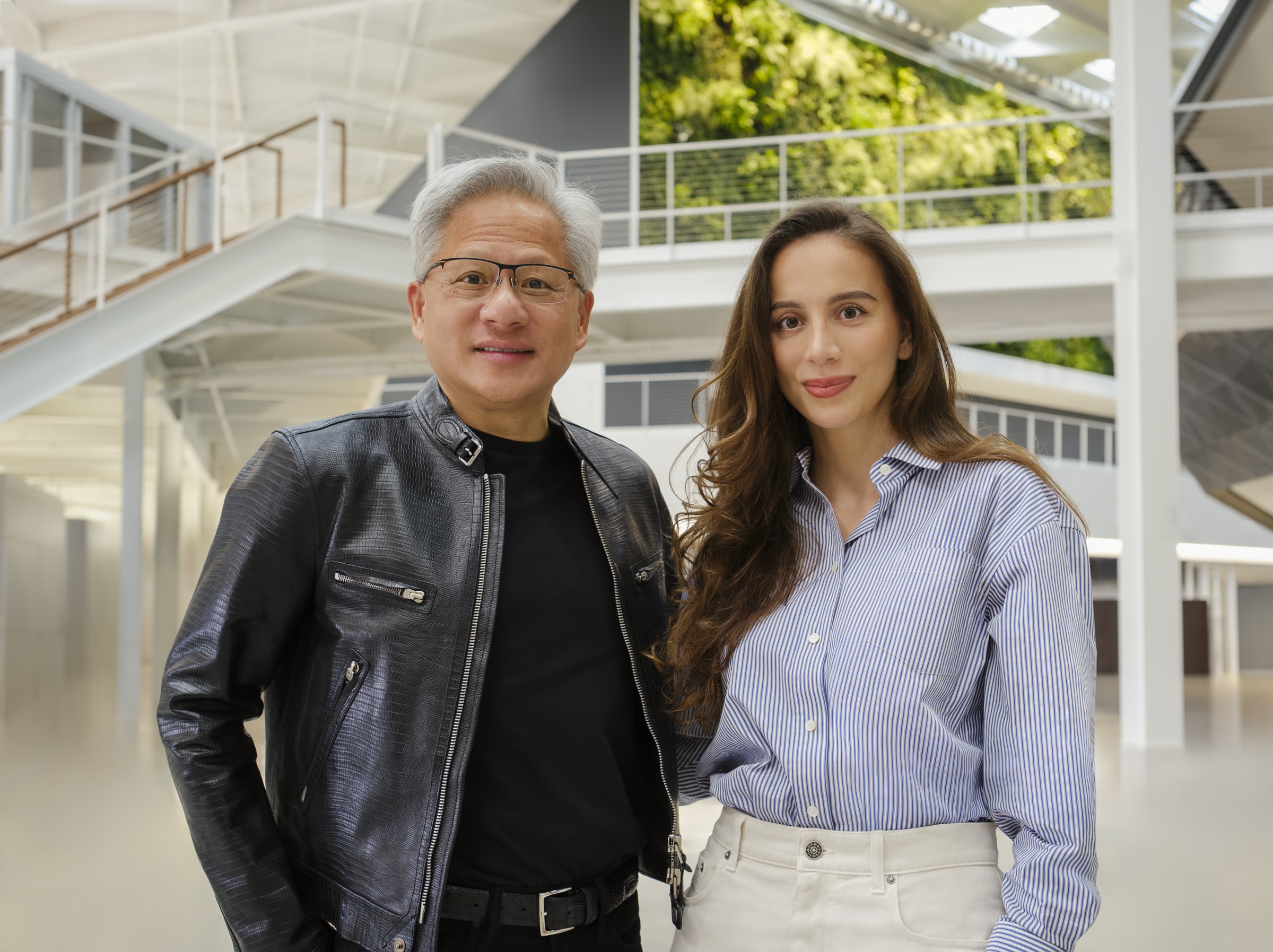
Thinking Machines is in talks to raise at least $1 billion at a pre-money valuation of $40 billion or more, TechCrunch reported Thursday, citing The Information. Accel, an existing investor, is reportedly considering leading the round, and Nvidia has discussed participating.
The company, founded by former OpenAI CTO Mira Murati, raised $2 billion at a $10 billion pre-money valuation in July 2025. Last fall, it reportedly discussed a round at $50 billion or more that did not close. The Information reported that the lab generates at least a few hundred million dollars in annualized revenue.
A round priced at $40 billion would be four times the last one and 20% below the figure discussed ten months ago. If completed at the reported valuation, the financing would represent a higher valuation than the company’s July 2025 financing but a lower valuation than the level reportedly discussed last fall. No term sheet has been reported, and the current figure remains preliminary.
Reported private-company financials and secondary-market indications may be unaudited, incomplete, non-standard, or based on limited transaction activity. They should not be relied upon as fair value, executable pricing, or a basis for any investment decision.
Power 20 Watch
“Power 20” refers to Augment’s internal ranking of selected private-market activity. It may not represent the broader private market and should not be treated as a valuation benchmark.
Oura’s filing is public. Anthropic’s is not. The company’s prospectus was reportedly expected after Labor Day, and as of Thursday evening no S-1 had appeared on EDGAR.
One likely disclosure issue is Anthropic’s dispute with the Pentagon. A senior Defense Department official said Thursday that Anthropic remains designated a supply-chain risk. That came a day after Commerce Secretary Howard Lutnick said the company had resolved its issues with the administration and a week after a federal court found that the department had punished the company unlawfully. If and when Anthropic publicly files a registration statement, investors may receive additional disclosure regarding the dispute and related regulatory matters.
OpenAI released GPT-6 Astra on Thursday. The company said it trained the model on more than 100,000 GPUs at its Texas site. A product release does not set a price, but it is one of the few company-originated data points available to private holders between tenders.
SpaceX traded near $140.71 on Thursday, above its $135 IPO price. Yesterday’s Deep Dive compared its private price history with its first three months of public trading.
One story from last Friday also reached a definitive stage. Nvidia announced its $12.9 billion acquisition of Hugging Face on Thursday and filed an 8-K. The deal is expected to close in early 2027, subject to approvals.
Augment and its affiliates may hold positions in Anthropic securities.
Reported private-company financials and secondary-market indications may be unaudited, incomplete, non-standard, or based on limited transaction activity. They should not be relied upon as fair value, executable pricing, or a basis for any investment decision.
Quick Takes
The following financing rounds are included for market context only and are not recommendations or valuation opinions.
- PayPal reportedly paused the sale of its venture portfolio. Axios reported that the company had sought $900 million to $1 billion for the holdings, months after deciding to wind down PayPal Ventures and hiring Jefferies to run the process. A portfolio of more than 80 companies, including Plaid, is a large block for the LP-interest market to absorb. The pause gives a concrete indication of the gap between the seller’s target and what buyers would pay.
- Index Ventures dropped out of Town’s round after Instinct raised a conflict. Upstarts reported that Town’s $90 million raise at a $1 billion valuation is now co-led by Forerunner and Menlo. Instinct, a competing assistant that Index is backing at $2.5 billion, objected; Conviction, an investor in both companies, also recused itself. The episode shows how quickly overlapping investments can complicate cap tables when direct competitors raise at the same time.
- Moonshot AI filed confidentially for a Hong Kong IPO. The Kimi developer is reportedly aiming to raise $3 billion and is being valued at $50 billion in an ongoing funding round, per Reuters. It joins DeepSeek’s reported $74 billion raise and Enflame’s Shanghai listing in a fall queue of Chinese AI companies. Those valuations may not be directly comparable with US private marks because of differences in chip access, disclosure and ownership rules.
- The SEC sent a retail private-markets proposal to the White House for review. Bloomberg reported that the plan would amend the Advisers Act and Investment Company Act to allow private-market exposure through registered funds and let advisers charge performance fees to a broader set of clients. The Office of Management and Budget received it Monday, and the agency plans to publish a proposed rule in October. It remains a proposal, with a comment period still to follow, but it has entered formal review.
The Funding Lineup
The following financing rounds are included for market context only and are not recommendations or valuation opinions.
Cognition: reportedly set to raise about $1 billion at a $47 billion valuation (Sept. 2). Bloomberg reported that the AI coding company behind Devin drew close to $10 billion in investor interest and that the final round may exceed $1 billion; terms are still being negotiated. Cognition raised $1 billion at a $26 billion valuation in May, and Bloomberg put its annualized revenue above $900 million. If the new round closes near the reported terms, its valuation will have risen by roughly 80% in three months.
Wonderful: $550 million Series C at a $5 billion valuation (Sept. 2). Insight Partners led the round, with Salesforce investing for the first time, in the Amsterdam- and Tel Aviv-based enterprise AI company. Wonderful raised at about $2 billion in March, so the new round more than doubled its valuation in under six months.
Upwind: $300 million at a $3.8 billion valuation (Sept. 2). Bessemer led the round for the cloud-security company, which raised at roughly $1.5 billion in January, per CTech. The financing follows a run of large cloud-security rounds since Google closed its acquisition of Wiz.
Lyte: $165 million Series C at a $1.6 billion post-money valuation (Sept. 2). Maverick Silicon led the round. Fidelity, which led the Series B, returned alongside Atreides, Key1 and Ora Global. Founded by the Apple and PrimeSense engineers behind Face ID, Lyte builds sensing silicon and perception software for robots and has raised $272 million since leaving stealth in January. PitchBook counted a record $18.6 billion across 450 robotics and physical-AI deals in the second quarter, with components and software growing faster than the humanoid companies that attract most of the attention.
Félix: $200 million co-led by a16z and General Catalyst (Sept. 2). The WhatsApp-based remittance company for US Latinos raised $87 million in equity and $113 million in debt from General Catalyst’s Customer Value Fund. Crunchbase reported that the valuation tripled since the Series B but did not disclose the figure. The equity portion of the headline round is $87 million, less than half the total.
Ultrahuman: $70 million at a $365 million valuation (Sept. 3). The Bangalore-based smart-ring maker raised the round, including $5 million of debt, with Qualcomm participating, on the same day its larger rival filed to go public. Oura’s S-1 gives Ultrahuman’s investors a newly disclosed operating comparison, though the companies differ in scale, geography and subscription mix.
📈 Data Point of the Day
95+
That is how many investors hold stakes in both Anthropic and OpenAI, according to PitchBook data cited by The New York Times on Thursday. The list includes Sequoia, Founders Fund, Coatue and Altimeter. The labs have raised at reported valuations of $965 billion and $852 billion, respectively. A liquidity event at either company may therefore reach many of the same funds.
Reported private-company financials and secondary-market indications may be unaudited, incomplete, non-standard, or based on limited transaction activity. They should not be relied upon as fair value, executable pricing, or a basis for any investment decision.
🎓 From the Manual
Deemed dividend
A deemed dividend is a non-cash charge recorded when a company transfers value to preferred stockholders outside a declared dividend, such as by repurchasing preferred shares above their carrying value or amending their terms. It reduces net income attributable to common stockholders without changing operating results. In Oura’s S-1, the charge turns a modest profit before certain items into a large reported loss attributable to common holders.
👀 What We’re Watching
- The August jobs report. The report is due at 8:30 this morning. The Dow Jones consensus calls for about 53,000 new jobs and 4.1% unemployment, after July showed a loss of 23,000. Futures markets put near-even odds on a quarter-point hike at the September meeting, per fed-funds futures pricing. The rate path is one input into late-stage valuations and the fall listing calendar.
- Anthropic’s public prospectus. The filing, reportedly expected after Labor Day, would put company-disclosed revenue and costs alongside the compute commitments reported over the past two weeks. It may also disclose the company’s lockup and shareholder-sale structure.
- Oura’s price range. Thursday’s S-1 includes no terms. An amended filing with a range would show how the reported $11 billion October mark and the $16 billion-plus figure Bloomberg reported in May compare with the range underwriters set for the offering.
- PayPal’s venture portfolio. Axios reported that the sale is paused rather than abandoned. A restart at a lower target, or a sale in smaller pieces, would provide more evidence of how buyers are valuing corporate venture portfolios.
Augment Markets Inc. is a technology company offering software and data services. Brokerage services are offered through Augment Capital LLC, an affiliated broker-dealer and member FINRA/SIPC. Investment advisory services are offered through Augment Advisors LLC, an SEC-registered investment adviser.
Important Disclosures: This material has been prepared for informational purposes only. None of the information provided represents a recommendation, an offer or the solicitation of an offer to buy or sell any security. The information provided does not constitute investment, legal, tax, or accounting advice. You should consult with qualified professionals before making any investment decisions. Investing in private securities involves substantial risk, including the potential loss of principal. Private securities are typically illiquid, have limited pricing transparency, and often require longer holding periods. These investments are available exclusively to qualified accredited investors and offer no guarantee of returns. An IPO or other liquidity event is not guaranteed. Additionally, past performance of private securities does not indicate or predict future results. Share price data are estimates only, based on proprietary data from Caplight and Augment Markets Inc. and its affiliates.

Paul leads editorial at Augment, building Pulse into the private markets' go-to intelligence source. He also develops editorial content strategies for startups and venture capital firms. Previously, he spent 15 years as a business and opinion journalist at The New York Times, Fortune, Fast Company, Reuters, and more. He believes transparency creates liquidity—and that someone should actually publish what private shares are trading for. He lives in Marin with his wife and two rescue dogs, and wishes he had more time to surf.
Learn more