

.svg)


Anthropic — which filed confidentially for an IPO two weeks ago — got 90 minutes' notice late last week before a U.S. export order pulled its two most capable models offline, and by Monday more than 80 cybersecurity leaders were publicly asking the White House to reverse it. Meanwhile SpaceX finished its debut at a different altitude: up another 19.6% Monday, a market value above $2.5 trillion, and a raise that grew to $85.7 billion after underwriters exercised the greenshoe.
🛑 A pre-IPO mark, repriced by a phone call
Two weeks after filing confidentially for what would potentially be one of the largest tech IPOs ever, Anthropic spent the weekend being a case study in a risk that doesn't show up in any secondary mark until it does.
Here's the sequence. Late last week, around 1 p.m. ET, the company got a call: 90 minutes to take its two most capable models, Fable 5 and Mythos 5, offline over a "national security threat," with no details attached. The formal export-control order, a letter from Commerce Secretary Howard Lutnick requiring a license to distribute the models worldwide or to any non-US person, landed hours later. By Monday, Axios was reporting the trigger was less a clean security finding than a relationship that had soured: officials felt Anthropic hadn't "honored" a recent cybersecurity executive order. (Axios) Reporting also tied the underlying flag to Amazon, Anthropic's largest backer, and several other companies. (Fortune)
Then the counter-pressure. On Monday, more than 80 cybersecurity executives and researchers — including Alex Stamos and security leaders at Adobe, Zoom, and Sophos — signed an open letter asking the administration to lift the restriction, arguing it strips the best tools from defenders while adversaries keep moving. (Axios · TechCrunch)
For private-market readers, set aside who's right. The point is mechanical: a valuation near $965 billion — the post-money mark on the roughly $65 billion round Anthropic closed in late May, just before filing — assumes a model business that distributes globally without interruption, and the last few days showed that access can be switched off in 90 minutes by a government, for reasons that may have as much to do with politics as with code. (Fortune) That's the kind of tail risk a secondary quote can't see until it reprices against it. One interpretation worth tracking is whether the same risk now gets read across the other frontier-lab names in registration — though the labs differ enough in structure and government exposure that a read-through may not hold.
Reported private-company financials and secondary-market indications may be unaudited, incomplete, non-standard, or based on limited transaction activity. They should not be relied upon as fair value, executable pricing, or a basis for any investment decision.
🚀 SpaceX finished the job — and then some
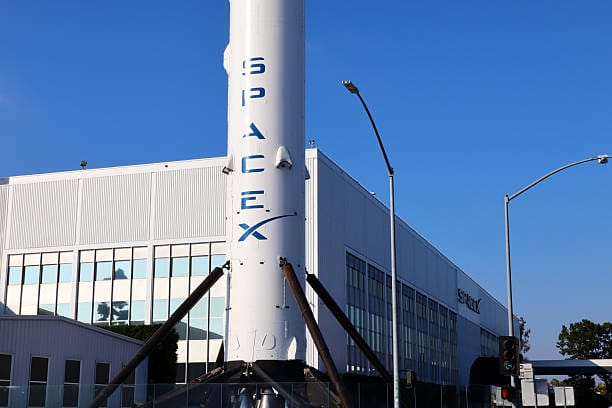
While Anthropic's week went sideways, SpaceX's kept climbing. The stock rose another 19.6% Monday, its first full session, closing around $192.50 and pushing the market value above $2.5 trillion. (CNBC) Founder Elon Musk reportedly said the company "might be able to reach" roughly $1 trillion in revenue by 2030, against $18.7 billion in 2025 — a number to file under stated ambition, not forecast, and one that sits well above where Wall Street's own 2030 estimates for the company land. (Reuters)
The structural detail is the one underneath the pop. Underwriters exercised their overallotment option Monday, selling an extra 83.3 million shares and lifting the total raised to $85.7 billion from the $75 billion priced last week. Underwriters generally exercise that option when a stock trades up, so the move is less a surprise than a confirmation: realized demand was deep enough to absorb the extra supply at the offer price.
That matters for the names behind it. PitchBook's read on the week was blunt: "Demand was the only question, and SpaceX just answered it." (PitchBook) With OpenAI's confidential filing in as of June 8 and a reported fall window, the open question is no longer whether a mega-cap private name can find a public bid. It's which one tests the tape next, and at what mark.
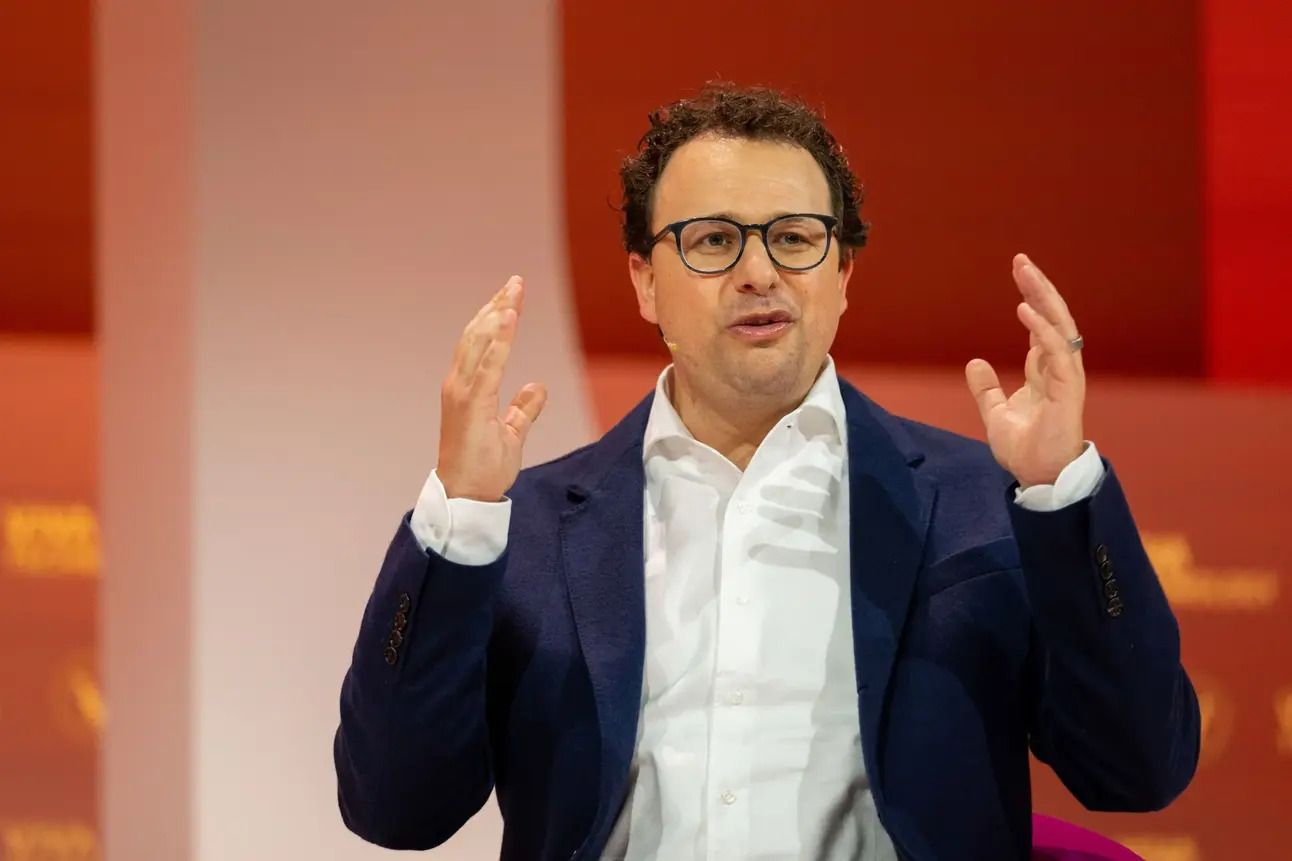
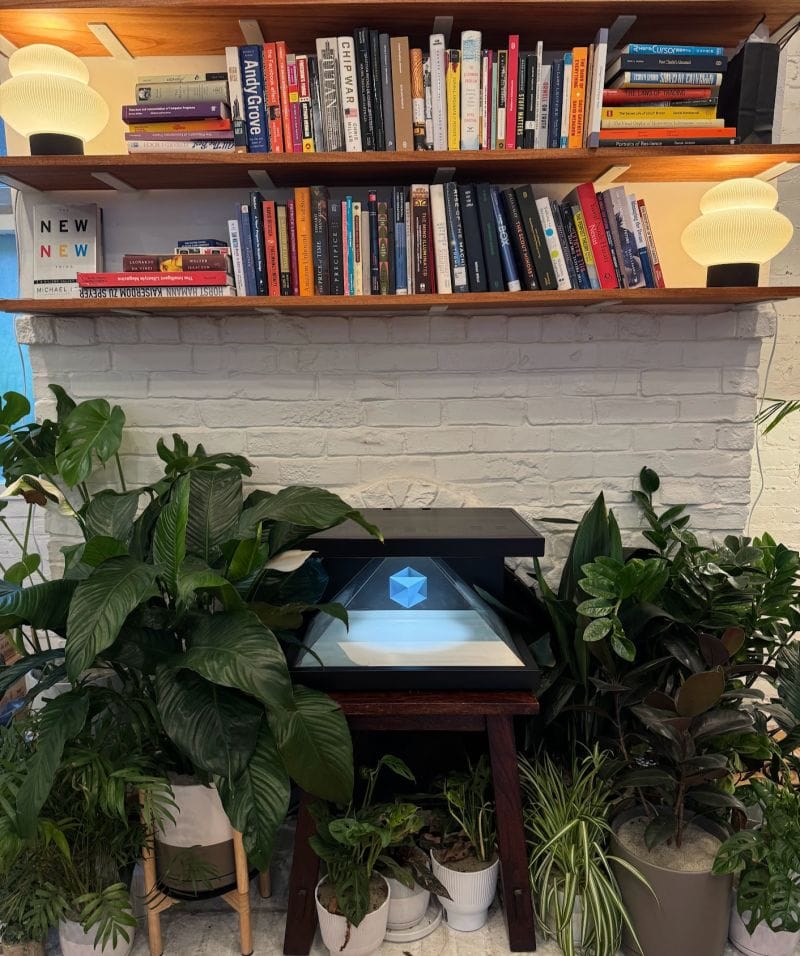
And here’s a bit of news from this morning that explains our image choice:
Reported private-company financials and secondary-market indications may be unaudited, incomplete, non-standard, or based on limited transaction activity. They should not be relied upon as fair value, executable pricing, or a basis for any investment decision.
💨 Quick Takes
The following items reference financings, valuations, offerings, and transactions for market context only and are not recommendations or valuation opinions.
- The wearables IPO cohort is forming — Oura has filed confidentially at a reported valuation near $11 billion, and Whoop raised a Series G in March at $10.1 billion. The Wall Street Journal notes investors remain cautious on consumer hardware margins after Fitbit.
- Salesforce is buying Fin, the platform formerly known as Intercom, for ~$3.6 billion — an AI customer-service deal expected to close in Q4 of its fiscal 2027. Another late-stage private name exiting via strategic acquirer rather than IPO.
- Sarvam crossed into unicorn territory — the Indian AI-model startup raised $234 million (a first close of a planned $300 million Series B) at a $1.5 billion valuation, with HCLTech taking a ~10.5% stake for roughly $150 million in cash.
- Enflame won approval for a ~$888M Shanghai IPO — the Tencent-backed chipmaker is the last of China's "four little dragons" of AI silicon to head to market, a reminder that the listing pipeline isn't only a U.S. story.
📈 Data Point of the Day
$8–10 billion
That's the range Qualcomm is reportedly discussing to acquire Tenstorrent, the AI chip designer led by Jim Keller. (The Information · Reuters via Investing.com) For context, Tenstorrent was reported to be discussing a raise at roughly a $3.2 billion valuation last year. If the talks hold — and reported talks often don't — that's a private chip name potentially clearing at roughly triple its prior mark inside a year, via a strategic-acquirer exit rather than a listing. The same week political risk put pressure on one private AI name, demand for AI silicon was reportedly lifting the price discussed for another. Direction depends entirely on the name.
Reported private-company financials and secondary-market indications may be unaudited, incomplete, non-standard, or based on limited transaction activity. They should not be relied upon as fair value, executable pricing, or a basis for any investment decision.
🎓 Manual
The Greenshoe
A greenshoe — formally, an over-allotment option — lets an IPO's underwriters sell up to ~15% more shares than originally offered, then choose within about 30 days whether to "exercise" it by buying those extra shares from the company. They typically exercise when the stock trades above the offer price, because the additional shares can be placed without losses; if the stock trades poorly, they can instead buy shares in the open market to cover, which may support the price. SpaceX's underwriters exercising the full option is what took the headline raise from $75 billion to $85.7 billion. The name, oddly, comes from the Green Shoe Manufacturing Company, the first issuer to use the structure in 1960.
👀 What We're Watching
- OpenAI's reported fall window. With the confidential S-1 in as of June 8 and SpaceX having shown the bid is there, additional disclosures, if they occur, may offer context on whether the reported September-to-November timing firms up. (CNBC)
- Whether the Anthropic order resolves — and what it sets as precedent. The export action is days old and contested, with cybersecurity leaders pressing to reverse it. How and when access is restored is one thing to monitor, including for any read it offers on how a license-to-distribute regime might touch other frontier-lab names. (Axios)
- Where the next listings actually surface. Enflame's Shanghai approval and Xiaohongshu's reported plan to file confidentially in Hong Kong this month are a reminder that the venue isn't always U.S. The non-U.S. pipeline is worth tracking alongside the marquee American names.
Augment Markets Inc. is a technology company offering software and data services. Brokerage services are offered through Augment Capital LLC, an affiliated broker-dealer and member FINRA/SIPC. Investment advisory services are offered through Augment Advisors LLC, an SEC-registered investment adviser.
Important Disclosures: This material has been prepared for informational purposes only. None of the information provided represents a recommendation, an offer or the solicitation of an offer to buy or sell any security. The information provided does not constitute investment, legal, tax, or accounting advice. You should consult with qualified professionals before making any investment decisions. Investing in private securities involves substantial risk, including the potential loss of principal. Private securities are typically illiquid, have limited pricing transparency, and often require longer holding periods. These investments are available exclusively to qualified accredited investors and offer no guarantee of returns. An IPO or other liquidity event is not guaranteed. Additionally, past performance of private securities does not indicate or predict future results. Share price data are estimates only, based on proprietary data from Caplight and Augment Markets Inc. and its affiliates.

Paul leads editorial at Augment, building Pulse into the private markets' go-to intelligence source. He also develops editorial content strategies for startups and venture capital firms. Previously, he spent 15 years as a business and opinion journalist at The New York Times, Fortune, Fast Company, Reuters, and more. He believes transparency creates liquidity—and that someone should actually publish what private shares are trading for. He lives in Marin with his wife and two rescue dogs, and wishes he had more time to surf.
Learn more