




.jpg)

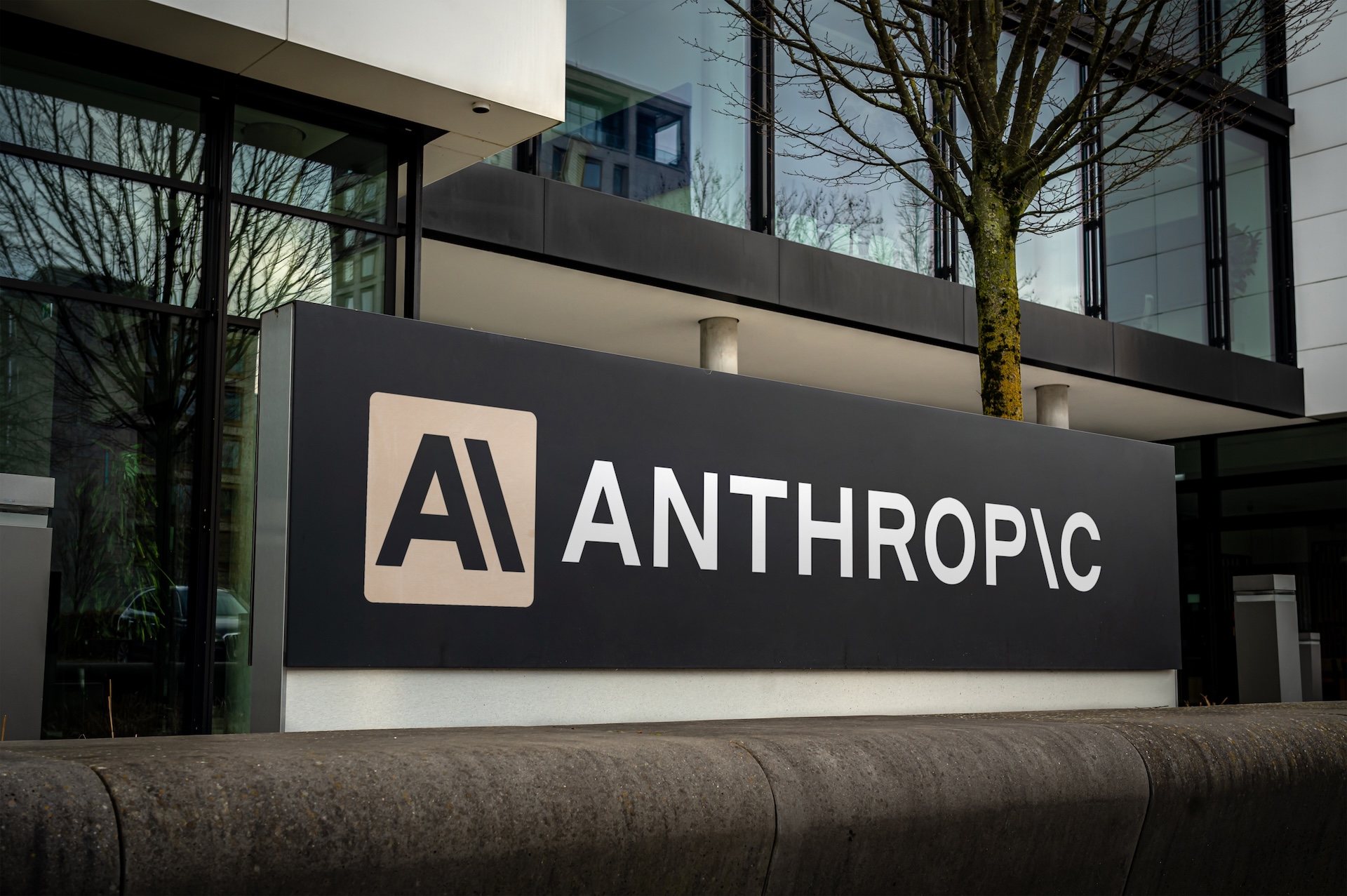
Anthropic vs. the Pentagon — and what the filing revealed
Anthropic filed two federal lawsuits Monday challenging the Trump administration's decision to designate the company a national security supply chain risk. The suits, filed in California federal court and the D.C. Circuit Court of Appeals, allege the Pentagon retaliated against Anthropic for its AI safety guardrails — specifically, its refusal to allow Claude to be used for fully autonomous weapons or mass domestic surveillance of Americans.
The legal fight is significant. But for investors watching Anthropic's private valuation, the more important development is what the filing disclosed: federal contracts are already being canceled, and the company warned that "hundreds of millions of dollars" in near-term revenue is in jeopardy. More than 500 customers are currently paying Anthropic at least $1 million annually, and the company is projecting $14 billion in revenue this year — most of it from commercial enterprise customers, not government contracts.
Anthropic's argument to the market: the Pentagon's designation only restricts contractors from using Claude in direct DoD work, not in their broader commercial operations. Whether enterprise customers accept that distinction — or whether the reputational overhang causes them to pause or re-evaluate — is the variable that matters most for secondary holders of Anthropic equity.
Most recent funding pegged Anthropic's valuation at $380 billion. The resolution of this dispute has no clear timeline.
TechCrunch | CNN | PBS NewsHour | Fortune
SoftBank's Stargate problem
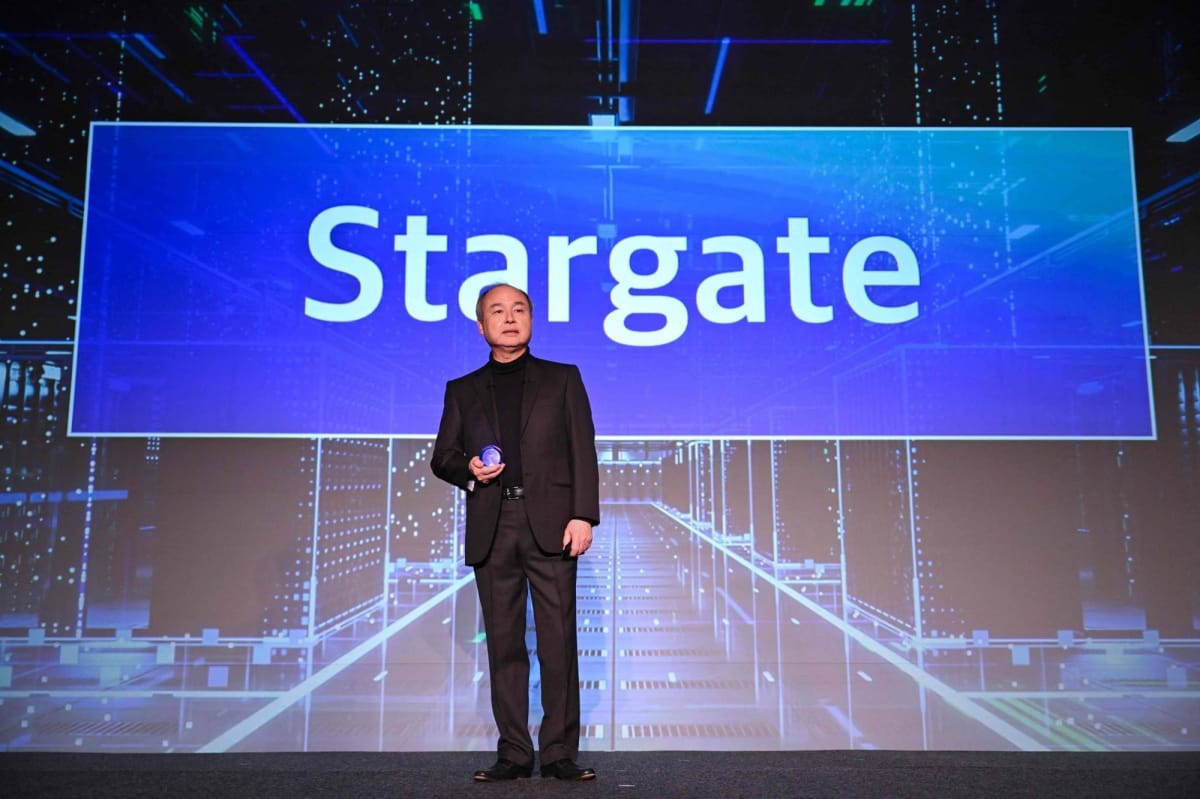
SoftBank shares fell as much as 12.5% Monday, hitting their lowest level since August 2025, after Oracle and OpenAI scrapped plans to expand a flagship AI data center in Texas that was part of the broader Stargate initiative. The company's credit default swaps also widened, a signal that debt markets are pricing in increased stress.
The context: SoftBank has committed to investing an additional $30 billion in OpenAI and holds significant exposure across private AI. S&P Global revised the company's outlook to negative earlier this month, citing those commitments.
For private markets observers, the data point worth watching is whether SoftBank-linked LP positions in private AI names eventually show up as secondary supply. Large conglomerates under balance sheet pressure historically become sellers, not buyers. The timing and scale are unknown — but the direction of the signal is worth noting.
The infrastructure story worth watching
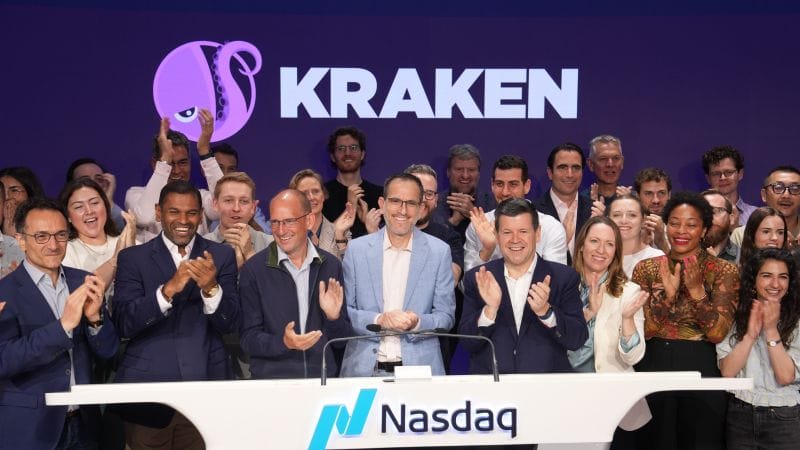
Nasdaq announced a partnership with Kraken's parent company Payward to develop a framework for tokenized stock trading, targeting a launch in the first half of 2027 pending SEC approval. Under the design, tokenized and traditional shares would carry the same CUSIP identifier and settle through existing market infrastructure — keeping them interchangeable. Token holders would receive the same governance rights as traditional shareholders, including voting and dividends.
The immediate scope is public equities. But the underlying infrastructure — 24/7 settlement, blockchain-based ownership records, interchangeable tokenized and traditional shares — is the same architecture that would eventually support tokenized private securities. Every step toward regulated round-the-clock trading in public markets narrows the operational gap between public and private market liquidity. That's a long arc. But 2027 isn't far, and Kraken's xStocks framework has already processed over $25 billion in transaction volume.
Quick Takes
OpenAI acquires Promptfoo — The AI security testing platform, used by over 25% of Fortune 500 companies, will be folded into OpenAI Frontier. For enterprises evaluating AI vendor risk, OpenAI now controls a tool many companies used to audit AI systems — including OpenAI's own. Worth watching how enterprise security buyers respond.
Microsoft integrates Claude into Copilot as "Cowork" — In the same week Anthropic is fighting the federal government, Microsoft announced it integrated Claude technology into Microsoft 365 Copilot under the Cowork branding. Commercial enterprise relationships appear unaffected by the DOD dispute — at least for now.
📊 Data Point of the Day
$14 billion
Anthropic's projected 2026 revenue, per reporting on the company's filing. That figure — sourced from a recent investment announcement that valued the company at $380 billion — implies roughly a 27x forward revenue multiple. The multiple reflects extraordinary growth expectations. The current regulatory overhang puts those expectations under new scrutiny.
🎓 Manual
Supply Chain Risk Designation
A formal determination, typically applied to foreign adversaries, that a company poses a security risk to U.S. federal procurement. The designation requires defense contractors to certify they don't use the company's products in Pentagon work. Anthropic's lawsuit argues the designation was applied without proper legal process and represents unconstitutional retaliation for protected speech — specifically, its stated views on AI safety. Legal experts have noted the authority was not designed to be used against domestic companies.
What We're Watching
- The Pentagon case resolution timeline. Anthropic filed in two courts simultaneously — N.D. Cal. and the D.C. Circuit — which suggests the company wants optionality on venue, not a quick settlement. A protracted legal fight could push the enterprise disruption from a contained revenue event into a broader narrative problem. The next filing dates will tell us which direction this is heading.
- Anthropic's IPO clock. Wilson Sonsini is engaged. The $380B Series G closed February 12. Kalshi currently gives a 72% probability that Anthropic IPOs before OpenAI. But the Pentagon designation adds a material risk disclosure obligation to any S-1 — and that could delay a filing that might otherwise have come in H2 2026. The lawsuit's trajectory and the IPO timeline are now the same story.
- Where Meta takes Moltbook — and what it signals for agentic AI M&A. Meta just paid an undisclosed sum for a platform that launched in January, was built by its founder's AI assistant, and suffered a major security breach within days of going live. OpenClaw's creator was acqui-hired by OpenAI the month before. Both halves of the same experiment absorbed by the two largest consumer AI players inside six weeks. The question for private markets investors: which agentic AI infrastructure plays currently sitting in venture portfolios are next, and does that compress or extend the timeline to liquidity for their holders?
Augment Markets Inc. is a technology company offering software and data services. Brokerage services are offered through Augment Capital LLC, an affiliated broker-dealer and member FINRA/SIPC. Investment advisory services are offered through Augment Advisors LLC, an SEC-registered investment adviser.
Important Disclosures: This material has been prepared for informational purposes only. None of the information provided represents a recommendation, an offer or the solicitation of an offer to buy or sell any security. The information provided does not constitute investment, legal, tax, or accounting advice. You should consult with qualified professionals before making any investment decisions. Investing in private securities involves substantial risk, including the potential loss of principal. Private securities are typically illiquid, have limited pricing transparency, and often require longer holding periods. These investments are available exclusively to qualified accredited investors and offer no guarantee of returns. An IPO or other liquidity event is not guaranteed. Additionally, past performance of private securities does not indicate or predict future results. Share price data are estimates only, based on proprietary data from Caplight and Augment Markets Inc. and its affiliates.

Paul leads editorial at Augment, building Pulse into the private markets' go-to intelligence source. He also develops editorial content strategies for startups and venture capital firms. Previously, he spent 15 years as a business and opinion journalist at The New York Times, Fortune, Fast Company, Reuters, and more. He believes transparency creates liquidity—and that someone should actually publish what private shares are trading for. He lives in Marin with his wife and two rescue dogs, and wishes he had more time to surf.
Learn more