






The Big Story: OpenAI Opens an Accounting Front
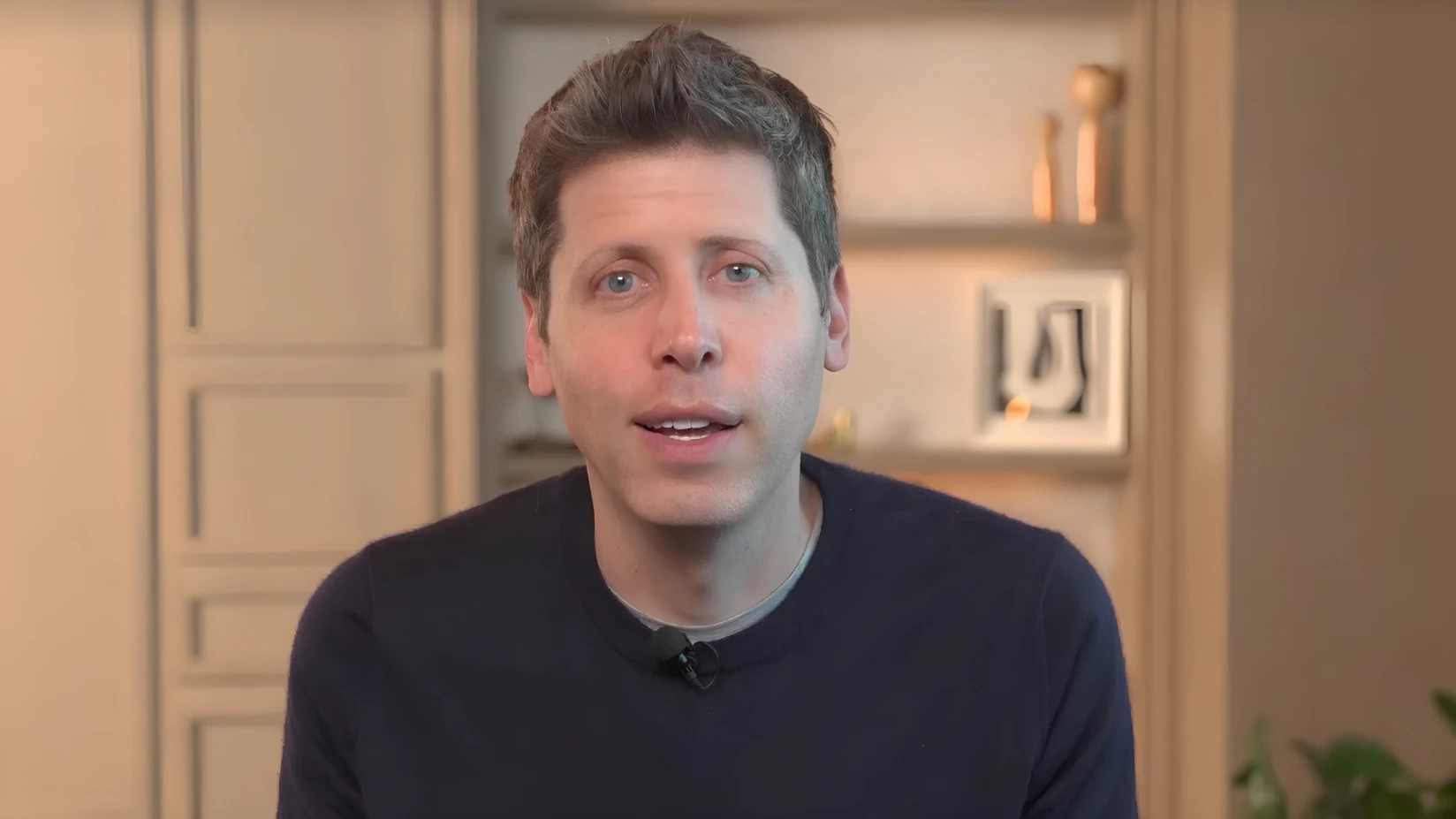
The number that's driven Anthropic's secondary market surge — "$30B run rate" — took a direct hit this morning. OpenAI's Chief Revenue Officer Denise Dresser (pictured) circulated an internal memo claiming Anthropic inflates its headline metric by roughly $8B by grossing up revenue from cloud resellers rather than recording only Anthropic's net take. Under comparable accounting methods, the memo argues, OpenAI's own run rate meaningfully exceeds Anthropic's.
For secondary market participants, this matters acutely. Anthropic's secondary pricing — currently implying a ~$600B valuation — is partly anchored in the narrative of extraordinary revenue acceleration ($875M → $14B ARR → $30B run rate in roughly 18 months). Shave $8B off that top line and the growth story looks different, even if the underlying trajectory remains impressive.
The memo's framing goes beyond accounting. It positions OpenAI's approach as "safeguards" against Anthropic's "restrictions," and argues consumer AI dominance is strategically more important than enterprise competition. This isn't just a revenue dispute — it's a narrative war. In an environment where Anthropic's DoD compliance positioning turbocharged its brand earlier this year, OpenAI is watching the secondary market spread and deciding the story needs correcting.
Source: The Verge
The Most Consequential Trade in Private Markets

While OpenAI challenges the accounting, the capital flows tell a cleaner story. Bloomberg reported last week that $2B in buy-side demand is queued for Anthropic stock with effectively no sellers, while $600M in OpenAI shares sits unsold across secondary platforms — bid at roughly $765B implied valuation versus the $852B primary valuation that just closed.
The spread is striking. The same class of sophisticated investors who bought OpenAI at $122B are now trying to exit at a 10% discount to primary while simultaneously chasing Anthropic with no supply. This isn't a verdict on OpenAI's business — $20B+ ARR and $2B in monthly revenue are not the metrics of a troubled company. It's a verdict on governance, timeline, and narrative risk.
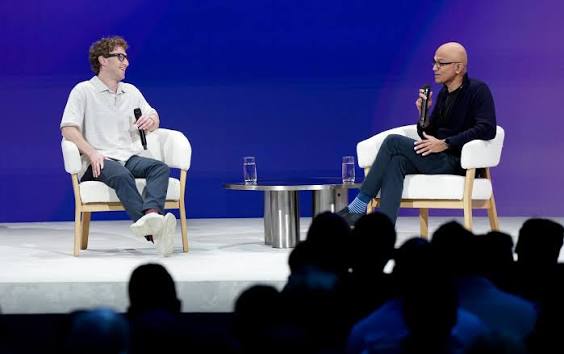
OpenAI's CFO Sarah Friar (pictured) reportedly questioning 2026 IPO readiness — diverging publicly from Altman's push for a Q4 debut — combined with executive reshuffles (COO Brad Lightcap to "special projects," AGI CEO Fidji Simo on medical leave) has introduced exactly the uncertainty that secondary buyers price away from. When you can't model the IPO timeline, you discount the secondary accordingly.
Anthropic, meanwhile, has a cleaner story: revenue accelerating (by any accounting method), the Broadcom infrastructure deal signaling compute independence from Google, and a governance structure that hasn't generated a week of confusing headlines.
Sources: Bloomberg · TechCrunch
Quick Takes
Private credit is hitting a redemption wall Apollo, BlackRock, and Ares funds are reportedly fielding unusual redemption requests, with some firms activating gates to limit withdrawals from the $1.8T private credit market. If the liquidity crunch spreads, the read-through for how allocators think about allilliquid private assets gets uncomfortable fast.
Crypto exchanges launched synthetic SpaceX pre-IPO products Bitget launched "IPO Prime" with SpaceX (ticker: preSPAX) as the first listing; Binance shipped a similar product the same day. Retail crypto holders can now trade synthetic pre-IPO exposure on exchanges that have nothing to do with actual equity. A measure of the demand overhang — and how far outside regulated markets it's migrating.
OpenAI's Microsoft deal quietly kneecapped its enterprise reach The CRO memo that's making headlines for the Anthropic revenue shot contains a second admission: the Microsoft partnership "limited our ability" to reach enterprise customers through Amazon Bedrock. OpenAI now frames the Amazon relationship as its primary enterprise growth path. A notable candor about a deal the company once celebrated as foundational.
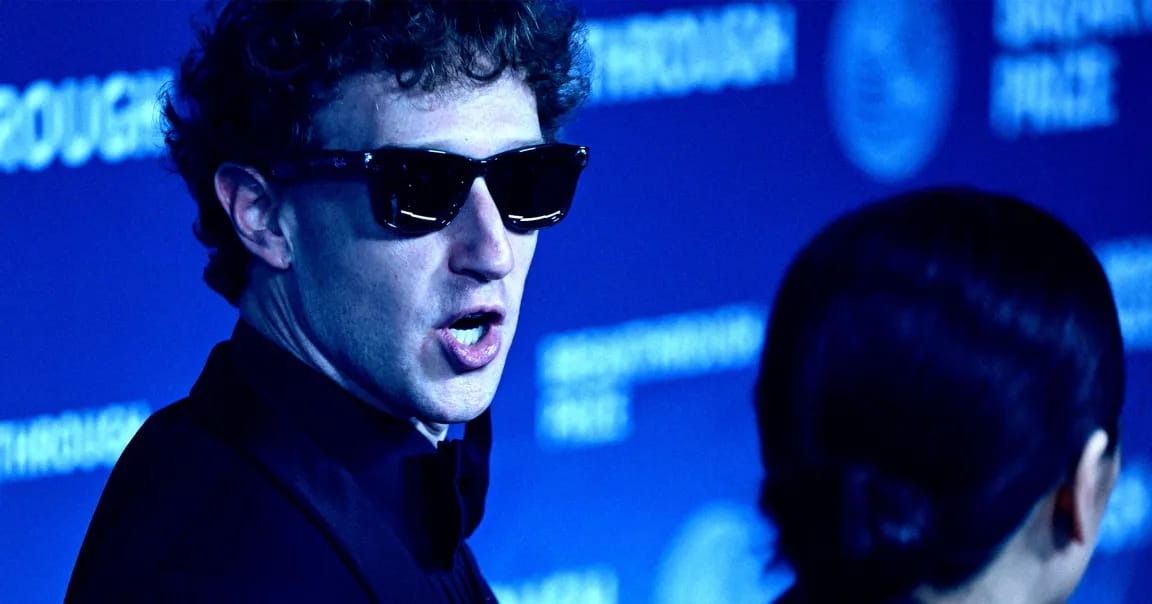
Meta is reportedly building a photorealistic AI clone of Mark Zuckerberg To interact with employees. No secondary market implications. Just a thing that is happening.
🎓 Manual
Run Rate vs. ARR
Run rate is an annualized projection of current revenue (as we recently defined) — typically this month's revenue multiplied by 12. Annual Recurring Revenue (ARR) applies specifically to subscription or contract-based businesses and counts only the committed, recurring portion. The gap matters: a company reporting "$30B run rate" may include one-time enterprise commitments or cloud reseller gross-ups that don't recur. This week's OpenAI memo puts that distinction at center stage — whether Anthropic records reseller revenue gross or net determines not just a headline metric but how secondary market participants model forward growth. For investors evaluating secondary pricing, knowing which metric a company uses (and why) is table-stakes due diligence.
👀 What We’re Watching
- Whether private credit's redemption problem spreads. Apollo, BlackRock, and Ares activating redemption gates in the same week is either a contained idiosyncratic event or the first visible crack in a $1.8T market that's been priced as if liquidity risk doesn't exist. The next few weeks will show whether institutional allocators treat this as isolated or start reassessing their entire private asset exposure — including the venture secondaries end of the market.
- The public SpaceX S-1 drop. The confidential filing means a public S-1 is likely 4–6 weeks out. When Starlink's revenue, Starship's cash burn, and xAI's contributions are disaggregated in actual filings, secondary buyers who've been trading SpaceX as a monolithic bet may find the individual business segments price differently. The S-1 is when the story gets complicated.
- Anthropic's accounting response. The OpenAI CRO memo will almost certainly prompt a public clarification — or a deliberate silence. How Anthropic chooses to respond to the revenue methodology challenge will itself be a signal. A metric under active dispute is a metric that secondary buyers discount until the air clears.
- The IPO sequencing problem. SpaceX is targeting June. (Read our synthetic S-1 teardown while we wait for the real drop.) The question is whether OpenAI and Anthropic can get their governance stories clean enough to follow in the second half of the year. If Sarah Friar's IPO-readiness concerns are substantive, OpenAI may be looking at a 2027 debut — which changes the holding-period math for every secondary investor with a time horizon.
Augment Markets Inc. is a technology company offering software and data services. Brokerage services are offered through Augment Capital LLC, an affiliated broker-dealer and member FINRA/SIPC. Investment advisory services are offered through Augment Advisors LLC, an SEC-registered investment adviser.
Important Disclosures: This material has been prepared for informational purposes only. None of the information provided represents a recommendation, an offer or the solicitation of an offer to buy or sell any security. The information provided does not constitute investment, legal, tax, or accounting advice. You should consult with qualified professionals before making any investment decisions. Investing in private securities involves substantial risk, including the potential loss of principal. Private securities are typically illiquid, have limited pricing transparency, and often require longer holding periods. These investments are available exclusively to qualified accredited investors and offer no guarantee of returns. An IPO or other liquidity event is not guaranteed. Additionally, past performance of private securities does not indicate or predict future results. Share price data are estimates only, based on proprietary data from Caplight and Augment Markets Inc. and its affiliates.

Paul leads editorial at Augment, building Pulse into the private markets' go-to intelligence source. He also develops editorial content strategies for startups and venture capital firms. Previously, he spent 15 years as a business and opinion journalist at The New York Times, Fortune, Fast Company, Reuters, and more. He believes transparency creates liquidity—and that someone should actually publish what private shares are trading for. He lives in Marin with his wife and two rescue dogs, and wishes he had more time to surf.
Learn more