Secondary markets just had their biggest year ever. Here's what comes next.





This Week in Private Markets
The private markets had a quiet 2024. That's over.
Secondary deal volume surged 41% to a record $226 billion last year, according to Evercore's latest report released today. The growth wasn't driven by distress—it was innovation. LP-led transactions, GP continuation vehicles, and a wave of private credit secondaries all contributed to the surge.
Translation: More investors are treating secondaries as a core portfolio allocation, not just a liquidity band-aid.
This matters for individual investors because institutional behavior tends to trickle down. When pension funds and endowments normalize secondary trading, platforms, infrastructure, and access follow. The next few years could reshape how—and how easily—individual accredited investors participate in private markets.
The Big Story: SpaceX's $1.5 Trillion Moonshot
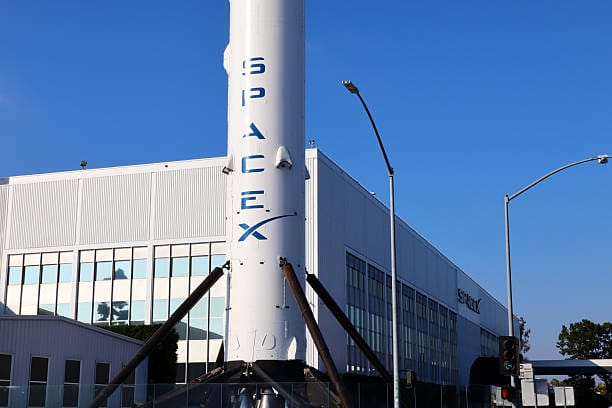
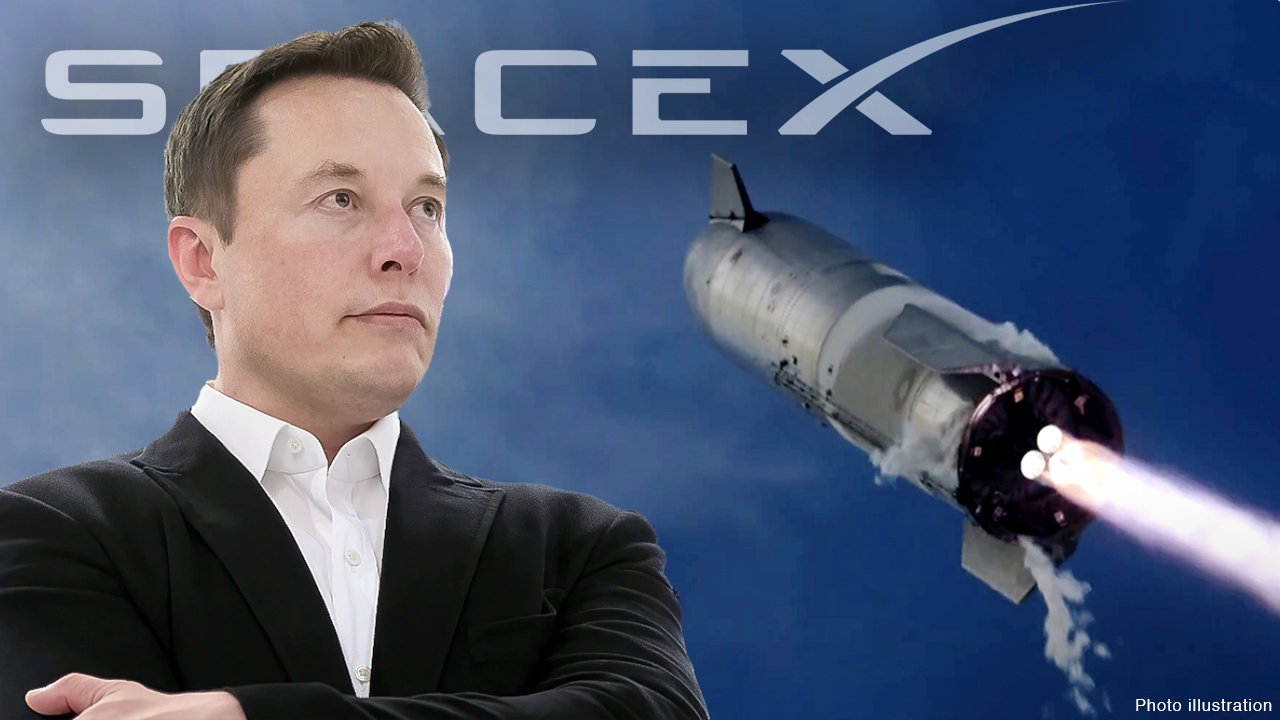
SpaceX confirmed this week it's preparing for an IPO targeting a $1.5 trillion valuation—which would make it the largest public offering in history, surpassing Saudi Aramco's $29 billion 2019 listing.
What investors should understand:
Starlink isn't a side project anymore. The satellite internet business now generates roughly 70% of SpaceX's revenue, with 9+ million subscribers and estimated EBITDA approaching $6-7 billion annually. The $17 billion EchoStar spectrum acquisition positions Starlink for direct-to-cell service—meaning standard smartphones connecting to satellites without special hardware.
When SpaceX goes public, investors won't really be buying a rocket company. They'll be buying an ISP with rocket capabilities.
Secondary market activity: SpaceX conducted its bi-annual tender offer in December at $421/share. Employee and early investor liquidity has been handled through these regular events rather than primary fundraising—an unusual approach that has helped maintain valuation discipline.
AI Capital Wars: The Funding Race Intensifies
Three stories this week underscore the scale of capital flowing into AI:
Anthropic: $10B at $350B valuation
Anthropic signed a term sheet for a $10 billion funding round that would nearly double its valuation from just four months ago. Coatue and Singapore's GIC are leading. This is separate from the $15 billion Nvidia and Microsoft recently committed—a "circular" deal where Anthropic would purchase $30 billion in Azure compute running Nvidia chips.
The trajectory:
- March 2025: $3.5B at $61.5B
- September 2025: $13B at $183B
- January 2026: $10B at $350B (in progress)
Revenue reportedly jumped from ~$1B run-rate in early 2025 to over $5B by August. Enterprise customers now number 300,000+.
xAI: $20B Series E
Elon Musk's xAI closed a $20 billion round—exceeding its initial $15B target—with Nvidia, Cisco, Fidelity, and the Qatar Investment Authority among investors. The round reportedly values xAI at ~$230 billion.
The capital is earmarked for expanding its Colossus supercomputer cluster (already over 1 million H100 GPU equivalents) and developing Grok 5.
Skild AI: $1.4B at $14B valuation
Pittsburgh-based Skild AI raised $1.4 billion to build what it calls a "universal robot brain"—a foundation model designed to operate any robot regardless of physical form. The company's valuation tripled in just seven months.
SoftBank led the round, with Nvidia's NVentures, Bezos Expeditions, Samsung, LG, and Salesforce Ventures participating.
The pattern: Large AI companies are raising bigger rounds at faster intervals than any previous technology cycle. The 15 largest rounds in 2025 totaled over $100 billion—with the majority going to generative AI companies.
Quick Takes
Figma trades near IPO price after 75% drop from post-listing high — The design software company went public in July at $33/share, spiked to $143, then gave it all back. Now trading around $30, it's a cautionary tale about IPO volatility.
Klarna under scrutiny after Q3 credit loss provisions — The BNPL giant is down ~24% from its September IPO price. A law firm is investigating whether the company adequately disclosed lending risks.
2026 IPO pipeline includes multiple mega-listings — Crunchbase counted 23 U.S. companies listing above $1B in 2025, up from 9 in 2024. Analysts expect even more activity this year if market conditions hold.
BlackRock outlook: Secondaries becoming core allocation — The asset manager notes that more investors are using secondaries for liquidity and portfolio management, with growth equity seeing increased opportunity.
Data Point of the Day
$226 billion
Total secondary deal volume in 2025—up 41% year-over-year and the highest on record, per Evercore. Private credit secondaries and infrastructure deals expanded the market beyond traditional buyout transactions.
Overheard This Week
"The gap between 'we're exploring strategic options' and 'we filed the S-1' is approximately 3-7 years and one founder's trip to Burning Man." — @andrewchen
"Everyone's a long-term investor until the secondary bid comes in 40% below your cost basis." — @compound248
Quote of the Week
"Valuation increments are a function of progress with Starship and Starlink and securing global direct-to-cell spectrum."
— Elon Musk, explaining why SpaceX doubled in value in five months
Translation: "Starlink go brrr."
Know Your Terms
Continuation Vehicle (CV)
A GP-led secondary transaction where a private equity firm moves one or more portfolio companies from an older fund into a new vehicle, giving existing LPs the option to cash out or roll their investment forward. CVs have grown significantly as sponsors seek to hold winning assets longer while still returning capital to investors.
What We're Watching
- SpaceX IPO timing — The company said timing depends on market conditions and could slip to 2027. But with Starlink's growth trajectory, investor appetite appears strong.
- AI valuation corrections — Public AI plays like CoreWeave and SoundHound have been volatile. How private AI valuations hold up against public market comps will be telling.
- Secondary volume sustainability — Can the market absorb another record year? LP appetite for liquidity solutions shows no signs of slowing.
Have a great weekend, and remember the U.S. public markets are closed Monday, January 19, in honor of Dr. Martin Luther King, Jr.
Augment Markets Inc. is a technology company offering software and data services. Brokerage services are offered through Augment Capital LLC, an affiliated broker-dealer and member FINRA/SIPC. Investment advisory services are offered through Augment Advisors LLC, an SEC-registered investment adviser.
Important Disclosures: This material has been prepared for informational purposes only. None of the information provided represents a recommendation, an offer or the solicitation of an offer to buy or sell any security. The information provided does not constitute investment, legal, tax, or accounting advice. You should consult with qualified professionals before making any investment decisions. Investing in private securities involves substantial risk, including the potential loss of principal. Private securities are typically illiquid, have limited pricing transparency, and often require longer holding periods. These investments are available exclusively to qualified accredited investors and offer no guarantee of returns. An IPO or other liquidity event is not guaranteed. Additionally, past performance of private securities does not indicate or predict future results. Share price data are estimates only, based on proprietary data from Caplight and Augment Markets Inc. and its affiliates.

Paul leads editorial at Augment, building Pulse into the private markets' go-to intelligence source. He also develops editorial content strategies for startups and venture capital firms. Previously, he spent 15 years as a business and opinion journalist at The New York Times, Fortune, Fast Company, Reuters, and more. He believes transparency creates liquidity—and that someone should actually publish what private shares are trading for. He lives in Marin with his wife and two rescue dogs, and wishes he had more time to surf.
Learn more